
He spent the better part of a week cutting open ceilings around Winston-Salem after a hard freeze caught a string of houses with bare pipes in vented crawl spaces. A reliable Winston Salem plumber earns their money before the freeze, not after it.
The winterization visit that costs you an afternoon beats the burst pipe that costs you a ceiling, a floor, and three weeks of fans running in your living room. I’m an HVAC contractor down in Montgomery, Alabama, not a plumber, and we’ve been crawling under Southern houses since 1993, usually about eighteen inches from the exact pipes that fail. The physics of a freeze does not care which trade card you carry.
Why Pipe Prep Beats Pipe Repair
Preventive pipe work wins because water damage is the expensive part, not the pipe. A split copper line is a cheap piece of material. What ruins your month is the eleven hours it sprayed into a wall cavity while you were at your mother-in-law’s house for the holidays.
According to water damage statistics from This Old House, the costs compound fast once moisture reaches structural materials. Insulation, sealing, and a walk-through with someone who knows where Southern builders cut corners will catch most of the failure points in one visit.
What makes winter prep such an easy call in a town like Winston-Salem: the cold there is real cold, but it’s not constant cold. Houses in the Piedmont and here in Central Alabama get built for summer.
Pipes end up in exterior walls, in vented crawl spaces, in garage ceilings, places a Minnesota builder would never put them. So when a hard freeze rolls through, the plumbing loses first.
What Winter Pipe Prep Actually Covers
Winter pipe prep is a preventive plumbing service that insulates, seals, and protects the vulnerable parts of your water system before the first hard freeze. A proper visit usually includes wrapping exposed supply lines, closing or sealing crawl space vents, disconnecting hoses and covering hose bibs, checking the pressure relief setup on the water heater, and confirming your main shut-off valve actually turns.
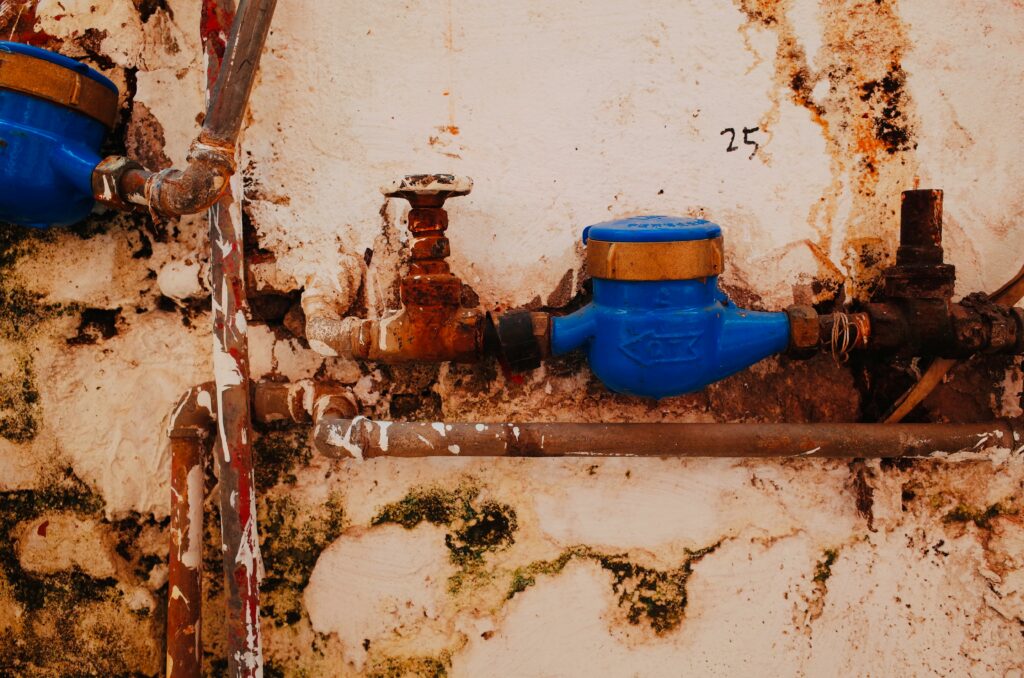
That last one gets skipped constantly, and it’s the one I’d fight for. A shut-off valve you can’t operate turns a twenty-minute problem into a whole-house problem, because the water keeps running while you dig through a junk drawer looking for the water company’s number. Any plumber doing real winterization work will put a wrench on that valve while they’re standing there, not just point at it.
Some homes need more (heat cable on a long exposed run, rerouting a line that should never have been where it is), but the basic scope above covers the majority of houses.
What a Reliable Winston Salem Plumber Does Different
A reliable Winston Salem plumber treats winterization as diagnostic work, not a product to sell you. The difference shows up in the details. The good ones actually get under the house instead of quoting from the driveway.
They write the estimate down, and knowing how to read a contractor estimate means you’ll know exactly what you’re signing. They tell you which items are urgent and which can wait a season, because not everything on the list is a this-week problem.
The biggest tell is what they don’t push. A tech who walks a dry, tight crawl space and says “you’re in decent shape, wrap these two lines and call it done” is worth keeping.
The one who finds a full repipe opportunity in every house has a truck payment talking, not a pressure gauge. Same story in my trade. The estimate should match the house, not the sales quota.
Why Do Pipes Burst in Mild-Winter Towns?
Pipes burst in mild-winter towns because the plumbing was never designed to see freezing air in the first place. Water expands roughly nine percent as it freezes, and in a closed pipe that expansion has nowhere to go.
But the split usually doesn’t happen at the ice plug itself. The ice forms a blockage, and pressure builds in the trapped water between the plug and the closed faucet downstream. That trapped section is what lets go, which is why the burst often shows up several feet from where the pipe actually froze.
Southern construction makes this worse in three specific ways. Vented crawl spaces pull freezing air directly across uninsulated supply lines.
Pipes routed through exterior walls sit on the cold side of the insulation, or in walls with barely any insulation at all. And attic and garage runs get installed with the assumption that a freeze lasts a night, not four days. When a multi-day cold snap parks over the Piedmont, the thermal mass that normally protects those lines runs out, and the crawl space temperature just keeps sliding.
PEX tolerates a freeze better than copper because it flexes, but the fittings and manifolds don’t stretch with it, so the failure moves to the joint instead of the pipe wall.
The Spots That Freeze First
Before you worry about anything else in the house, worry about the lines hanging under the floor with wind blowing through the foundation vents. After that, the usual suspects in rough order: hose bibs with a hose still attached (the trapped water backs the freeze into the wall), pipes serving a bathroom that sits over a garage or a cantilevered bump-out, laundry lines on an exterior wall, and well houses or pump sheds with a missing door panel.
One I see missed a lot: the water line feeding an outdoor kitchen or a detached shop. Somebody trenched it shallow in July, and it works fine right up until the ground frost reaches it. Those lines need a drain-down valve or they need to be blown out before the cold sets in, and half the homeowners who own one don’t know which fitting does what.
The Failure Nobody Talks About: Slow Leaks After the Thaw
Most people picture a burst pipe as a dramatic event, water sheeting through a ceiling, a loud pop in the wall. Sometimes it is.
But a fair number of freeze failures show up as slow seeps at a joint that held for twenty years and then didn’t. The freeze stressed the fitting, the thaw let it relax just enough to weep, and by the time the homeowner notices a soft spot in the subfloor, the damage has been accumulating for weeks.
We’ve seen this pattern in crawl spaces where the pipe itself looked fine on a visual inspection. No obvious split, no standing water, just a joint that started wicking moisture into the insulation batt below it.
The insulation held the moisture against the wood, and the wood did what wet wood does. The repair bill on that job ran somewhere north of a typical figure and the original pipe failure was probably a typical figure fitting.
The reason I bring this up: a winterization visit that includes a pressure test after the work is done catches these marginal joints before the freeze stresses them. Not every plumber offers it, and not every homeowner asks for it. Worth asking.
Homeowner Checklist Before the First Freeze
You can knock out a decent share of pipe prep yourself in one Saturday. Here’s the short list I’d run:
Disconnect every hose. Drain them, store them, and put an insulated cover on each bib. A connected hose is the single most common cause of a burst behind the wall. Find and exercise the main shut-off. Turn it fully closed, then fully open, gently. If it’s the old gate valve that hasn’t moved since the house was built, it may weep or snap, and honestly you want to find that out on a warm afternoon with a plumber’s number handy, not during the freeze. Close or block crawl space vents. Foam plugs, vent covers, even cut foam board. Just remember to open them back up in spring. Wrap exposed lines. Foam pipe sleeves from the hardware store, taped at the seams. Cheap and effective. Open cabinet doors under sinks on exterior walls during the cold snap so room heat reaches the pipes. Know where the water heater’s drain and shut-off are before you need them in the dark with a flashlight in your teeth.
Is Dripping Faucets Enough on Its Own?
A dripping faucet helps, but it’s a bandage, not the fix. Moving water resists freezing and, more importantly, the open faucet relieves the pressure that actually splits the pipe. So yes, drip the faucets on exterior walls during a hard snap. Just don’t let it stand in for real prep.
The Red Cross guidance on frozen pipes explains exactly why pressure relief matters as much as keeping water moving.
Now, heat tape. I go back and forth on recommending it, and I’ll admit that. Installed right, on the right pipe, with the right thermostat, it’s a legitimate tool.
The ugly part is when somebody wraps it over old insulation, doubles it back on itself, and plugs it into a cord rated for a phone charger. Actually, let me qualify that further, because I’m an HVAC guy giving a plumbing opinion here: the self-regulating cable is a different animal from the cheap constant-wattage stuff, and a plumber who works Piedmont winters will have a stronger read on which product suits which run than I do. Ask that question directly and listen to how confident the answer sounds.
How to Vet a Reliable Winston Salem Plumber
Verify the license first, everything else second. North Carolina licenses its plumbing contractors at the state level, and a legitimate outfit will hand over their license number without a flinch. Knowing what to look for when choosing a reliable contractor, license, insurance, written estimates, reviews, applies just as directly to plumbers as it does to HVAC. Then confirm liability insurance, ask whether the estimate comes in writing, and ask what their after-hours coverage looks like when the freeze actually hits.
The shut-off valve point from the prep-scope section is worth raising here too, because it doubles as a vetting question. Ask the plumber, “will you test my main shut-off while you’re out?”
The answer tells you whether they do thorough work or drive-by work. Read the recent reviews, not the star average. You’re looking for how the company behaved when something went sideways, because something eventually does in every trade, mine included.
Response time promises are worth probing too. Anybody can say “fast.”
What Contractors Get Wrong About Crawl Space Vents
There’s a running argument in the building science world about whether vented crawl spaces should be vented at all, and I want to name it because it affects how you think about winterization. The traditional approach is to vent the crawl space to the outside, let it breathe, prevent moisture buildup. The newer thinking, backed by a fair amount of field data, is that an encapsulated crawl space with a vapor barrier and conditioned or semi-conditioned air performs better on both moisture and temperature.
I’m not going to settle that debate here, and I’m genuinely uncertain which approach pencils out better in the Piedmont climate specifically. What I do know is that a vented crawl space in a hard freeze is a wind tunnel aimed directly at your supply lines, and closing those vents for the winter isn’t controversial.
The encapsulation question is a bigger project with bigger costs and a longer payback conversation. A good plumber or building performance contractor in the Winston-Salem area can walk you through the numbers for your specific house. I’d be skeptical of anyone who gives you a firm answer on encapsulation without getting under the house first.
The empty-house rows deserve the extra weight. An occupied home leaks warmth into its plumbing and has somebody there to hear water running. A vacant one has neither, and frozen pipe claims from vacant properties consistently run higher because the damage accumulates undetected for days.
When Winter Prep Is Not Worth Paying For
A tight slab house with interior plumbing and decent insulation probably doesn’t need a professional winterization visit every year. Do the checklist, drip the faucets during hard snaps, and put the money toward something that actually needs attention.
I’d rather a homeowner skip a service they don’t need than get conditioned to distrust the trades. Any contractor who can’t name the customer who shouldn’t hire them is selling, not advising.
Emergency Calls When the Freeze Hits Anyway
Sometimes the freeze wins despite good prep, and the order of operations matters more than speed of panic. Shut the main valve first, before you call anyone.
Then open the lowest faucet in the house to drain pressure off the system. Then make the call. A burst with the water off is a repair; a burst with the water on is a restoration project.
This is exactly why the after-hours question belongs in your vetting. In my shop we keep a live person answering the emergency line around the clock, because the middle of the night is precisely when this business happens, and I’d expect the same standard from any plumber I hired.
During a regional freeze, though, even the best-staffed outfit is running a triage list, and where you land on it partly depends on whether they already know your house. Established customers get remembered. Which brings up the maintenance-relationship question, and that’s a longer conversation than I have room for here.
Get the Heat Side Checked Too
I won’t pretend to be your plumber, and my trucks don’t leave Central Alabama. But the same freeze that threatens your pipes is the night your heating system can’t afford to quit, and every winter down here we pull dead furnaces out of houses that skipped the fall check. So if you’re in the Montgomery area, call Chad’s AC Direct and we’ll get your heating system inspected before the first cold snap, written findings in your hand. Book the winter heating tune-up.
By the Chad’s AC Direct Team
Frequently Asked Questions
When should a Winston-Salem homeowner schedule winter pipe prep before a freeze?
Schedule winter pipe prep in Winston-Salem before the first hard freeze of the season, ideally in October or early November. The Piedmont region regularly sees overnight lows drop into the mid-twenties, and a multi-day cold snap can push crawl space temperatures low enough to freeze uninsulated supply lines within hours. Waiting until a freeze warning is posted leaves too little lead time to inspect, insulate, and confirm that shut-off valves and hose bibs are properly secured.
What is the difference between PEX pipe and copper pipe in a freeze?
PEX pipe is more freeze-tolerant than copper because the material flexes as water expands, while copper cannot deform and splits at the pipe wall instead. The important limit to that advantage: PEX fittings and manifolds do not flex with the pipe, so freeze damage on a PEX system tends to show up at the joints rather than along the run. Neither material is freeze-proof when temperatures drop long enough, and both require insulation in vented crawl spaces or exterior wall locations.
How do you find the main water shut-off valve in a house?
The main water shut-off valve in most houses is located at the point where the supply line enters the foundation, either in a utility room, crawl space access area, or near the water heater. In older Southern homes it is sometimes outside near the foundation wall or at a meter box at the street. Homeowners should locate and test the valve before cold weather arrives, because a valve that has not been operated in years may be corroded, partially seized, or unable to close fully.
Why do pipes in Southern states freeze more often than pipes in colder climates?
Pipes in Southern states freeze at higher rates than many Northern homes because they are routinely installed in locations that assume mild winters: vented crawl spaces, exterior walls with minimal insulation, garages, and attic runs. Builders in climates like North Carolina’s Piedmont design for summer cooling loads, not sustained freezing air. When a hard freeze holds for several days, the thermal buffer those locations normally provide is exhausted, and uninsulated pipes are exposed to air temperatures that were never part of the original design assumption.