
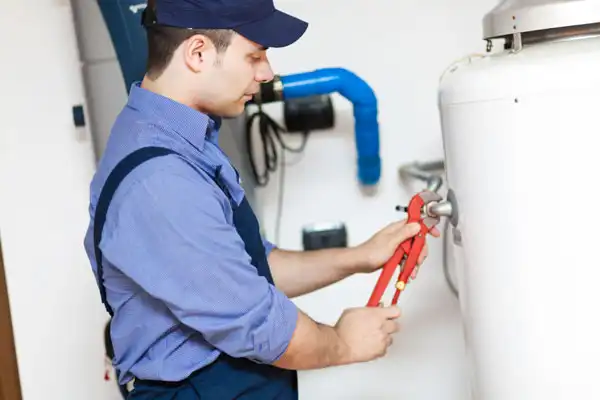
Your water heater works hard every day. It supplies hot water for showers, laundry, dishes and handwashing, usually without a second thought from anyone in the house. Most people only notice it when something goes wrong, like a cold shower on a January morning or a puddle forming under the tank. So if you think you might not need water heater maintenance, think again, the time may come and you will not be ready.
A few simple maintenance habits can prevent most of those surprises. Routine care helps your system run more efficiently, last longer and avoid expensive repairs. Whether you have a traditional tank model or a tankless unit, and whether it runs on gas or electricity, the checklist below will help you keep hot water flowing all year.
Key Notes:
- Water heating makes up about 18% of the average home’s energy bill, making it the second largest energy expense in most households
- Lowering your water heater temperature by just 10°F can cut water heating costs by 3% to 5%
- Most tank water heaters last only 8 to 12 years, and skipped maintenance can shorten that lifespan considerably
Why Water Heater Maintenance Matters for Your Home
A water heater is built to last, but it isn’t built to last without care. Minerals, heat and constant use slowly wear down its parts. Regular water heater maintenance slows that wear and protects your investment.
Better Efficiency and Lower Energy Bills
When a water heater is clean and working properly, it heats water quickly and uses less energy to do it. When sediment builds up or parts start to fail, the system has to run longer to reach the same temperature. You pay for that extra run time on every utility bill. A well-maintained unit simply costs less to operate.
A Longer Life for Your Water Heater Tank
Corrosion is the biggest enemy of a water heater tank. Once rust eats through the tank wall, there’s no repair option. The only fix is a full replacement. Simple steps like flushing sediment and replacing the anode rod on time can add years to the life of your tank and delay a replacement you’d rather not pay for.
Fewer Surprises and Emergency Repairs
Most water heater failures give warning signs first. A small drip, a strange noise or rusty water can all point to a problem that’s still easy to fix. Regular checks help you catch these issues early, before a slow leak turns into a flooded basement and a call for 24/7 emergency plumbing service.
Your Monthly and Yearly Water Heater Maintenance Checklist
You don’t need special tools or training for most of these tasks. A flashlight, a bucket and a few minutes of your time go a long way.
Inspect for Leaks, Rust and Moisture
Once a month, take a quick look at your water heater. Check for:
- Water pooling around the base of the unit
- Rust or corrosion on the tank, pipes or fittings
- Drips from the temperature and pressure relief valve
- Damp spots on the floor or nearby walls
Also pay attention to your hot water itself. If water from a hot water faucet looks rusty or brown while the cold water runs clear, the inside of your tank may be corroding. If your water heater shows signs of rust or leaking, schedule a professional inspection soon. Small leaks rarely stay small.
Test the Temperature and Pressure Relief Valve
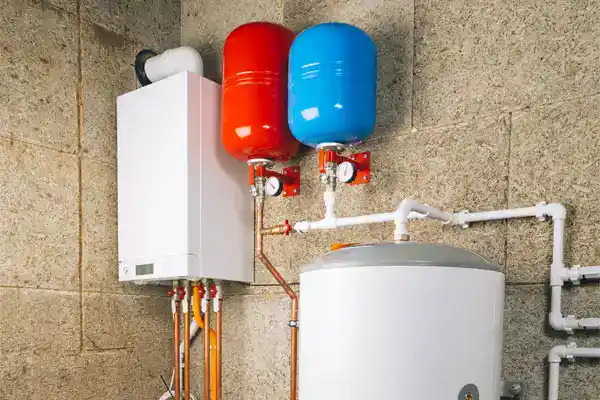
The temperature and pressure relief valve, often called the T&P valve, is one of the most important safety features on your water heater. It releases water if pressure or temperature inside the tank gets too high.
Test it once a year:
- Place a bucket under the discharge pipe.
- Lift the valve lever gently, then let it snap back.
- You should hear a rush of air or see a short burst of water.
If nothing comes out, or if the valve keeps dripping after you release it, the valve needs to be replaced right away. A faulty T&P valve is a safety risk, so this isn’t a repair to put off.
Check and Adjust the Temperature Setting
For most homes, 120°F is the ideal setting. It’s hot enough for bathing and cleaning, but low enough to reduce scalding risk and save energy. Many water heaters ship from the factory set at 140°F, which is hotter than most families need.
At 140°F, water can cause a serious burn in just a few seconds. At 120°F, that same burn takes several minutes, which gives children and older adults much more time to react. Turning the dial down is one of the easiest ways to make your home safer and trim your energy bill at the same time.
How to Flush Your Water Heater Tank
Flushing is the single most valuable maintenance task for a tank-style water heater. It removes the sediment that quietly robs your system of efficiency.
What Sediment Does Inside the Tank
Your water supply carries small amounts of minerals like calcium and magnesium. When water is heated, those minerals settle to the bottom of the water heater tank and form a layer of sediment. Over time, that layer acts like a blanket between the heat source and the water.
The result is a system that works harder, heats slower and wears out faster. You may hear popping, rumbling or crackling sounds as water trapped under the sediment boils. Those noises are a clear sign your tank is overdue for a flush.
Step-by-Step Guide to Drain the Water
Here’s how to flush a standard tank water heater:
- Turn off the heat source. For an electric unit, switch off the breaker. For a gas unit, set the gas valve to “pilot” or “vacation.”
- Let the water cool. Wait a few hours if you can. Tank water is hot enough to burn.
- Shut off the cold water supply at the valve on top of the tank.
- Open a hot water faucet somewhere in the house. This lets air into the system so the tank drains smoothly.
- Connect a garden hose to the drain valve at the bottom of the tank. Run the other end to a floor drain or outside, well away from your foundation.
- Open the drain valve and drain the water completely.
- Flush out remaining sediment by briefly turning the cold water supply back on while the drain valve is still open. Repeat until the water runs clear.
- Close the drain valve, remove the hose and refill the tank. Leave the hot water faucet open until water flows steadily with no sputtering air.
- Restore power or gas only after the tank is completely full.
That last step matters, especially for electric models. Turning the power on with an empty tank can burn out the heating elements in seconds.
How Often to Flush and When to Call a Pro
Most homes should flush the water heater once a year. If you have hard water, twice a year is better. Homes on private wells often deal with extra sediment and minerals, so they benefit from more frequent flushing along with regular water well maintenance.
If the drain valve is stuck, leaks after closing, or you simply don’t want to handle a tank of hot water, a professional plumber can take care of it quickly and safely. Older drain valves made of plastic can crack when opened after years of disuse, so having a plumber on hand for the first flush on an older unit is a smart move.
Gas and Electric Water Heater Maintenance
Most maintenance tasks apply to every tank model. Still, gas and electric water heaters each have a few parts that need specific attention.
Gas Water Heater Maintenance Essentials
Gas water heater maintenance focuses on safe combustion and proper venting. A few times a year, check the following:
- Burner flame: Look through the viewing window. A healthy flame is steady and blue. A yellow or flickering flame can mean the burner needs cleaning or adjustment.
- Venting system: Make sure the vent pipe is firmly connected, free of rust and sloped upward toward the outside.
- Clearance: Keep boxes, paint cans and cleaning supplies away from the unit. Gas water heaters need open airflow around them.
- Carbon monoxide detector: Test the detector near your water heater and replace batteries as needed.
If you ever smell gas or suspect a venting problem, leave the house and call for help right away. A blocked or disconnected vent can allow carbon monoxide into your living space.
Electric Water Heater Maintenance Essentials
Electric water heater maintenance is a little different because there’s no flame or venting to worry about. Instead, the focus is on the heating elements and electrical components.
Most electric units have two heating elements, one near the top of the tank and one near the bottom. Sediment tends to bury the lower element, which causes it to overheat and fail early. That makes regular flushing even more important on electric models.
Watch for these signs of electric water heater trouble:
- Hot water runs out much faster than it used to
- Water is only lukewarm, no matter the thermostat setting
- The breaker trips often
Always turn off the breaker before removing any access panels. Testing and replacing heating elements or thermostats involves live electrical parts, so this work is best left to a licensed plumber.
Checking the Anode Rod on Any Tank Model
Every tank water heater, gas or electric, has an anode rod. This metal rod attracts corrosive elements in the water so they attack the rod instead of your tank. In other words, it’s designed to wear out so your tank doesn’t.
Check the anode rod every two to three years, or once a year if you have hard water. Replace it if it’s less than half an inch thick, heavily coated in buildup, or if you can see the steel core wire. A new anode rod costs far less than a new water heater, which makes it one of the best maintenance values around.
Hard water is common throughout North Carolina and speeds up both anode rod wear and sediment buildup. A water softener can reduce mineral deposits and help your water heater run smoothly for longer.
Tankless Water Heater Care and Professional Service
Tankless water heaters don’t store water, so there’s no sediment layer to flush out. They do, however, need their own type of care to perform at their best.
Cleaning the Air Intake Filter and Inlet Screen
Many tankless units have an air intake filter that keeps dust and debris out of the system. A clogged filter restricts airflow and can cause the unit to overheat or shut down.
Every 6 to 12 months:
- Turn off the unit and disconnect the power.
- Remove the air filter and rinse it under clean water.
- Let it dry completely, then reinstall it.
Most tankless models also have a small water inlet screen that catches debris. Cleaning it at the same time keeps water flowing freely. Always check your owner’s manual for model-specific guidance.
Descaling and Reading Error Codes
Minerals can still build up inside a tankless heat exchanger, which is why these units need descaling, typically once a year. Descaling involves circulating a cleaning solution through the system to dissolve scale. It requires isolation valves and a small pump, so many homeowners prefer to have a professional handle it.
Tankless units also have digital displays that show error codes when something goes wrong. Common issues include ignition failure, flow sensor problems and scale buildup warnings. Look up the code in your owner’s manual. If the problem keeps coming back, it’s time for a service call.
Why an Annual Professional Tune-Up Pays Off
Even the most careful homeowner can’t see everything. An annual professional inspection is the best way to make sure your water heater is running safely and efficiently. During a tune-up, a trained plumber can:
- Test every component, including valves, thermostats and elements
- Perform a thorough flush or descaling
- Inspect the anode rod and venting system
- Spot small problems before they turn into emergencies
At PF Plumbing, our team maintains both traditional and tankless water heaters for homeowners in Winston-Salem, Greensboro, High Point and nearby communities across our service area. We know the local water conditions and the problems they cause, so we know how to keep your system in top shape. If your unit already needs attention, our water heater repair service can get you back to hot showers fast.
Water Heater Maintenance FAQs
How often should I flush my water heater?
Once a year works for most homes. If you have hard water or a private well, flushing every six months helps keep sediment under control.
What temperature should my water heater be set to?
120°F is the best setting for most households. It balances comfort, safety and energy savings, and it greatly reduces the risk of scalding.
How do I know if my anode rod needs to be replaced?
Replace it if it’s thinner than half an inch, heavily coated in buildup, or if the steel core wire is showing. Check it every two to three years, or yearly with hard water.
What’s the difference between gas and electric water heater maintenance?
Gas water heater maintenance focuses on the burner flame, venting and carbon monoxide safety. Electric water heater maintenance focuses on protecting the heating elements, mainly through regular flushing, and never powering the unit on with an empty tank.
Why is my water heater making popping noises?
Popping or rumbling usually means sediment has built up at the bottom of the tank. Flushing the tank often solves the problem. If the noise continues, have a plumber inspect the unit.
Do tankless water heaters need maintenance?
Yes. They need their air filter and inlet screen cleaned every 6 to 12 months and a descaling about once a year to remove mineral buildup.
Your water heater needs regular checkups, just like your car needs oil changes. Follow this checklist and you’ll enjoy better performance, lower energy bills and a longer-lasting system. If you’d rather leave the work to the pros, contact PF Plumbing today to schedule a water heater inspection or tune-up, or explore our full range of plumbing services.