Winter weather can be hard on your home, but few problems are as sudden or destructive as a burst pipe. When temperatures drop below freezing, your plumbing system is put under stress, and if a pipe freezes and bursts, the damage can begin almost instantly. Water can spread through walls, floors, and ceilings in minutes, leading to costly repairs and long-term issues like mold and structural damage.
That’s why every homeowner should know exactly where their main water shutoff valve is located. If a pipe bursts this winter, every second counts. Being able to shut off the water quickly could save you thousands of dollars and a great deal of stress.
Why Pipes Burst During Cold Weather
Pipes don’t usually burst because ice forms inside them. Instead, the real danger comes from pressure buildup. When water freezes, it expands. As ice forms inside a pipe, pressure builds between the frozen blockage and the closed faucet downstream. Eventually, the pipe can no longer contain that pressure and cracks or bursts, often at a weak point or joint.
Certain pipes are more vulnerable than others, especially those located in unheated or poorly insulated areas. Pipes in basements, crawl spaces, garages, and exterior walls are at higher risk. Outdoor plumbing, including hose bibs and irrigation lines, is also especially susceptible to freezing temperatures.
Why Knowing Your Main Water Shutoff Valve Is So Important
If a pipe bursts, stopping the flow of water immediately is the single most important step you can take. Water damage can escalate quickly, soaking drywall, flooring, insulation, and personal belongings. The longer the water runs, the more extensive—and expensive—the damage becomes.
Knowing where your main water shutoff valve is allows you to:
- Stop water flow immediately
- Reduce flooding and water damage
- Limit repair and restoration costs
- Protect your home’s structure and valuables
Many homeowners don’t think about their shutoff valve until an emergency happens. Unfortunately, searching for it during a plumbing crisis wastes valuable time.
Where to Find Your Main Water Shutoff Valve
The location of your main water shutoff valve depends on the age and layout of your home.
- Inside the home, common locations include:
- Basements, typically along the wall facing the street
- Crawl spaces near the front foundation
- Utility or mechanical rooms
- Near the water heater
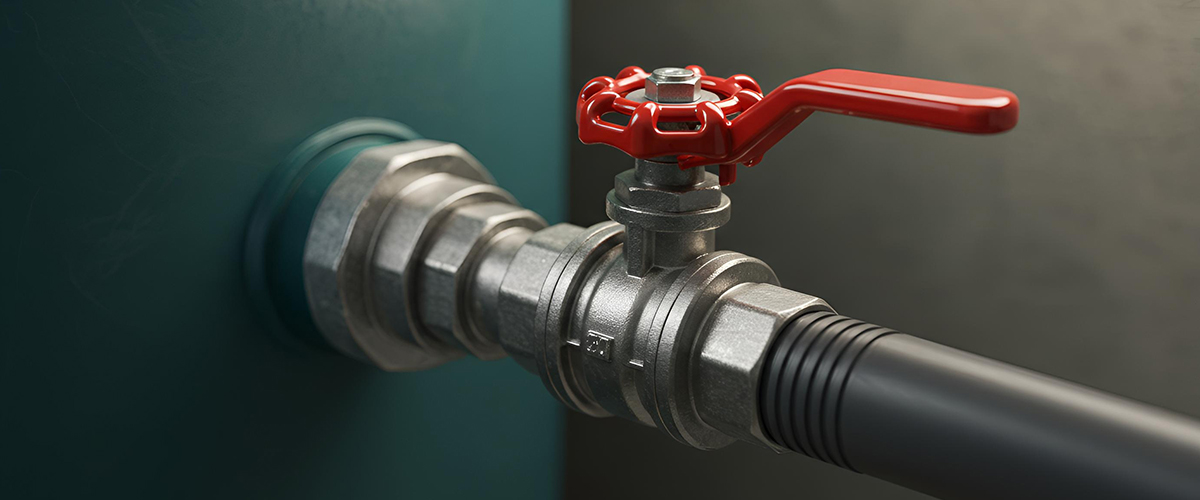
If you don’t have an interior shutoff valve, it may be located outside. Look for a ground-level box near your foundation or close to the street or sidewalk. The valve is usually either a round gate valve or a lever-style ball valve.
If you’re unsure where your shutoff valve is—or if it’s difficult to turn—PF Plumbing can help locate, test, and clearly label it for easy access in an emergency.
What to Do Immediately If a Pipe Bursts
If a pipe bursts in your home, act fast and follow these steps:
- Shut off the main water supply right away.
- Turn off electricity in affected areas if water is near outlets or appliances.
- Open faucets to drain remaining water and relieve pressure.
- Move furniture, electronics, and valuables out of the affected area if it’s safe to do so.
- Call PF Plumbing immediately for emergency repair.
The faster you respond, the more damage you can prevent.
How to Prevent Burst Pipes This Winter
The best way to deal with burst pipes is to prevent them from happening in the first place. A few proactive steps can significantly reduce your risk during cold weather.
Insulate exposed pipes in garages, crawl spaces, and exterior walls using pipe sleeves or heat tape. Disconnect and drain outdoor hoses, and shut off water to exterior faucets if possible. During extreme cold, allow faucets to drip slightly to keep water moving and reduce pressure buildup.
Sealing air leaks around doors, windows, and foundation openings can also help keep cold air away from pipes. Additionally, maintaining consistent indoor temperatures—especially overnight or when you’re away—can prevent freezing.
Signs Your Pipes May Be at Risk
Plumbing problems often show warning signs before a pipe bursts. Call PF Plumbing if you notice reduced water pressure, frost forming on exposed pipes, unusual odors, banging or knocking sounds, or discolored water. Addressing these issues early can help prevent a full plumbing emergency.
Why Choose PF Plumbing for Winter Plumbing Protection
Winter plumbing issues are stressful, but you don’t have to handle them alone. PF Plumbing is your local expert in winter plumbing protection, offering reliable service and fast response when it matters most.
Our experienced team can help you locate your main water shutoff valve, inspect vulnerable plumbing areas, insulate exposed pipes, and handle emergency repairs if a pipe bursts. We understand how local winter conditions impact plumbing systems and provide practical solutions to protect your home.
Prepare Now—Before an Emergency Happens
A burst pipe can happen without warning, but the damage doesn’t have to be devastating. Knowing where your main water shutoff valve is and taking steps to protect your plumbing now can save you time, money, and frustration later.
If you need help preparing your plumbing for cold weather or want peace of mind this winter, contact PF Plumbing today.
